
Design Maturity in Internal Branding: TheStrategic Advantage for Employers
For a long time, design in organizations was treated as a finishing touch, something applied after decisions were made. But today, design has moved closer to the center of business strategy. Mature organizations are no longer asking how things should look, but how experiences should work, for customers and employees alike.
This shift marks the rise of design maturity, and its impact on internal branding is becoming impossible to ignore.
From Design Output to Design Capability
Design maturity isn’t about producing more creatives. It’s about building systems, consistency and intent.
At a mature level, design:
- Moves beyond aesthetics
- Becomes repeatable and scalable
- Helps people understand, not just notice
- Enables faster decisions and better adoption
This thinking mirrors what IBM formalized through Enterprise Design Thinking (EDT), where design is positioned as a strategic enabler, not a support function. IBM reports that teams adopting EDT achieved 2× faster time to market, 75% efficiency gains, and up to 300% ROI, simply by aligning teams around user-centric outcomes and shared design principles.
But what’s often missed is this:
Design maturity must start internally before it shows externally.
Why Internal Branding Is the First Test of Design Maturity
Internal branding is where design maturity either proves itself or collapses.
Employees experience the brand every day through:
- Corporate communication
- Leadership messages
- Internal tools and applications
- Recognition programs
- Culture initiatives
- Community involvement and sustainable practices
If these experiences feel fragmented, unclear or visually inconsistent, no external campaign can compensate for that gap.
Design maturity brings coherence and coherence builds trust.
Real-World Shift: Designing Corporate Communication with Employees in Mind
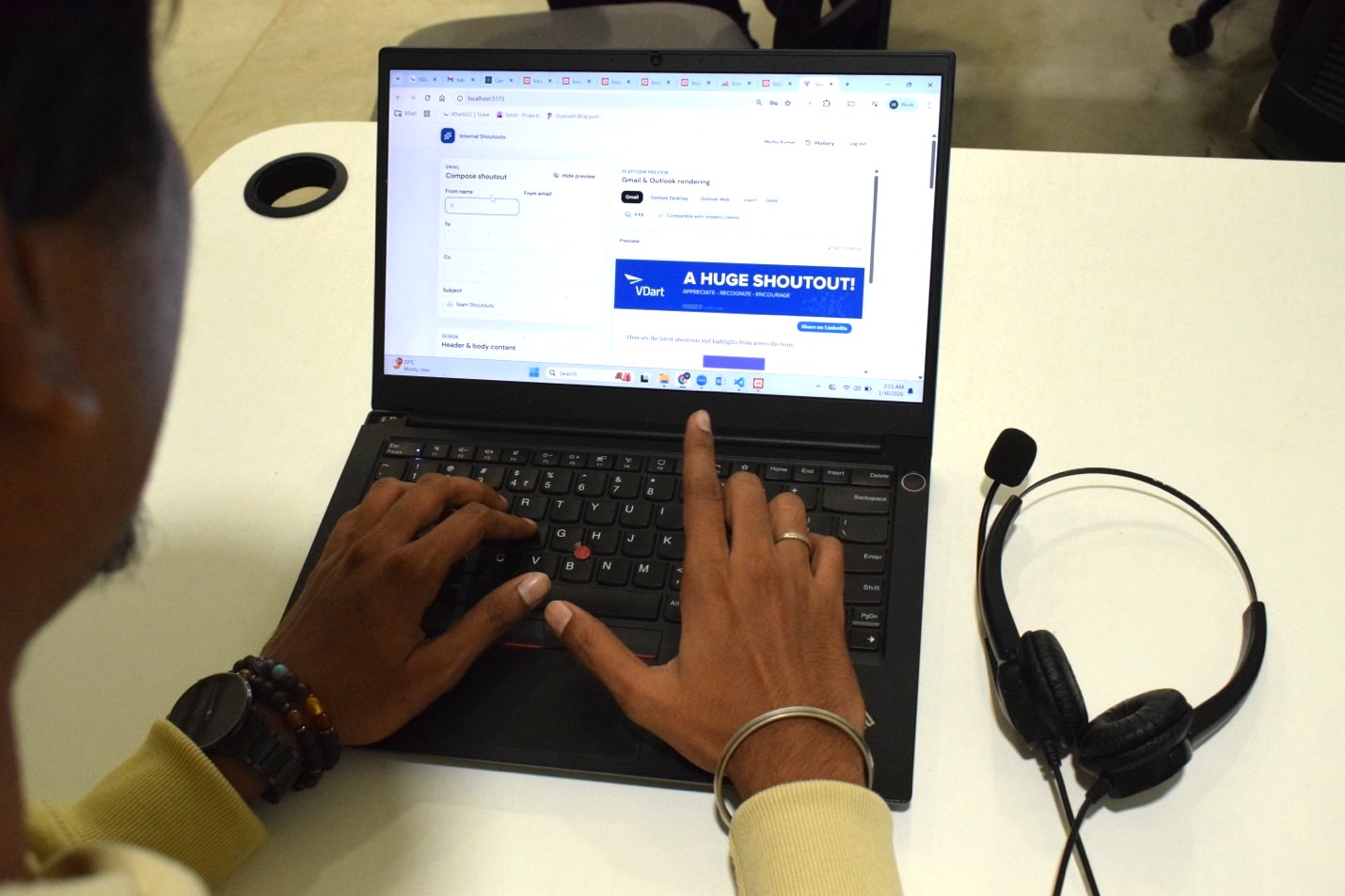
One of the earliest signals of growing design maturity is when internal communication shifts from broadcasting information to designing experiences.
Instead of asking:
“How do we announce this?”
The question becomes:
“How will employees experience this message?”
By designing a system for interactive and engaging corporate communication, internal messaging becomes:
- Easier to scan
- Visually predictable
- Emotionally consistent
- Aligned with brand tone
This mirrors an EDT principle: focus on user outcomes, not outputs.
When employees can quickly understand what’s relevant to them, engagement rises, not because content increased, but because clarity improved.
Designing Simple Systems Can Create Big Behavior Change
Design maturity often reveals itself through simplicity.
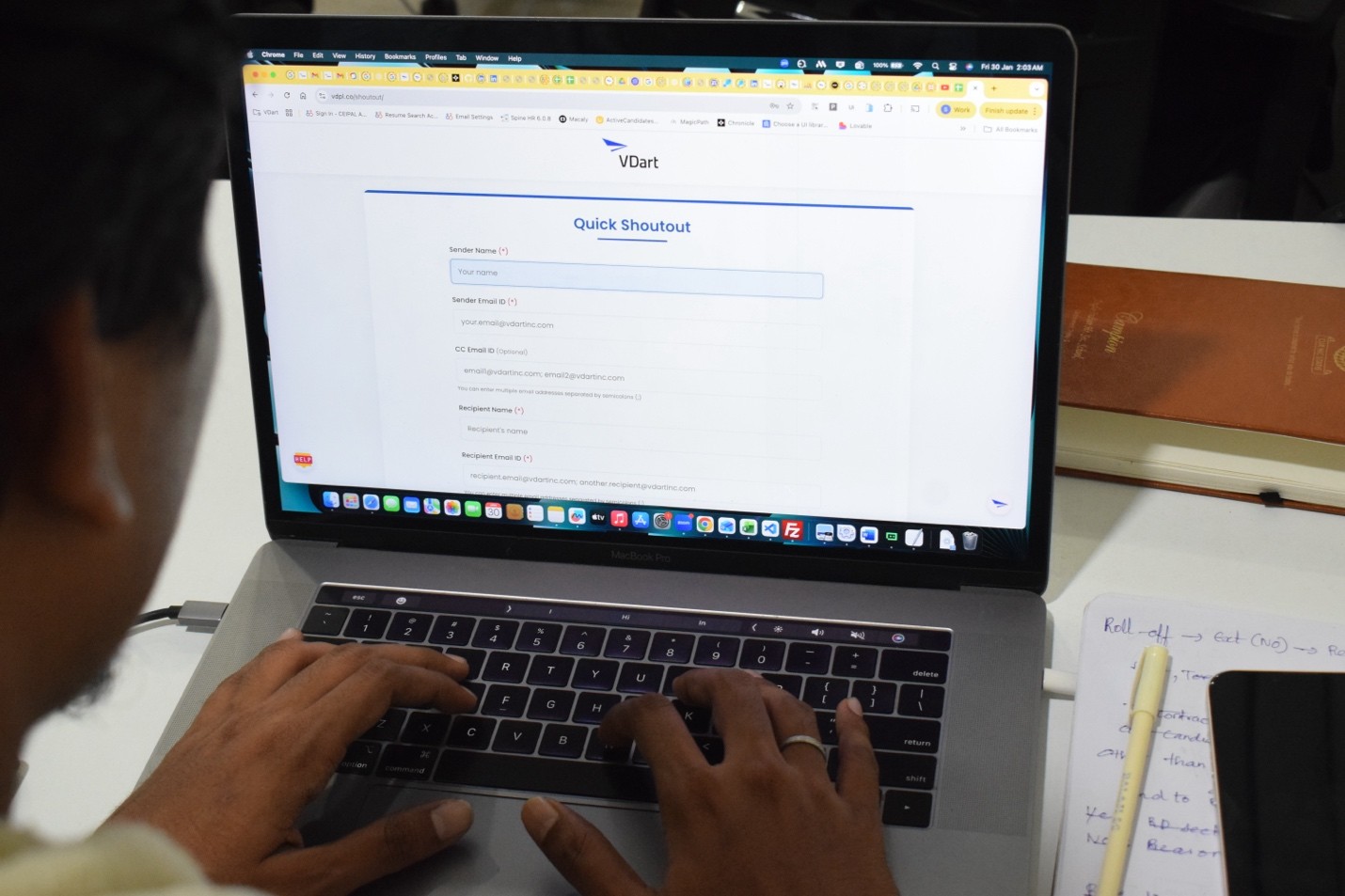
A strong example is the redesign of an internal shout-out or recognition request process. Instead of a complex, multi-step flow, a simple internal application designed with employee behavior in mind can dramatically shift adoption.
When friction is reduced and the experience feels intuitive, participation grows organically. In one such initiative, simplifying the design and flow resulted in a 120% increase in usage, without incentives or policy enforcement.
This reflects another EDT principle:
Everything is a prototype.
By iterating based on real usage and feedback, internal tools evolve to serve people better, and people respond
Leadership Communication as a Mirror of Design Maturity
Leadership communication is one of the most visible indicators of an organization’s internal design maturity.
When leadership decks, town-hall materials, and key messages are:
- Visually consistent
- Structured with intent
- Aligned to the brand system
They don’t just inform, they signal maturity.
Employees subconsciously read these cues:
- “This organization is thoughtful.”
- “This message matters.”
- “There is clarity at the top.”
And here’s the quiet truth:
These materials often travel outside the organization, to partners, candidates, and industry forums.
When leadership communication reflects strong design maturity, it conveys credibility to the world without a single word.
How Industry Leaders Are Framing Design Today
Across industries, design is increasingly seen as:
- A driver of experience
- A connector of strategy and execution
- A common language across teams
IBM’s Enterprise Design Thinking emphasizes:
- Empathy at scale
- Diverse, empowered teams
- Restless reinvention
- Alignment around user outcomes
When these principles are applied internally, internal branding stops being a set of announcements and starts becoming a lived system.
Why Employers Must Invest in Internal Design First
The strongest employer brands are not built through campaigns; they are built through consistent internal experiences.
Design maturity helps employers:
- Reduce communication fatigue
- Increase initiative adoption
- Build pride and belonging
- Strengthen trust in leadership
- Create employee brand ambassadors organically
If employees don’t experience clarity internally, they won’t project confidence externally.
Design Maturity Is a Culture Signal
Design maturity ultimately reflects organizational maturity.
It shows that an employer:
- Respects employee time and attention
- Values clarity over noise
- Thinks in systems, not silos
- Builds for scale, not quick wins
When internal branding is designed with the same care as customer experiences, the brand stops being something employees are told about and becomes something they feel part of.
Closing Thought
Good design looks nice.
Mature design builds belief.
In a world where talent choices are driven by experience as much as compensation, design maturity in internal branding is no longer optional. It is the strategic advantage that helps employers build trust, consistency, and long-term brand strength, from the inside out.